Appearance
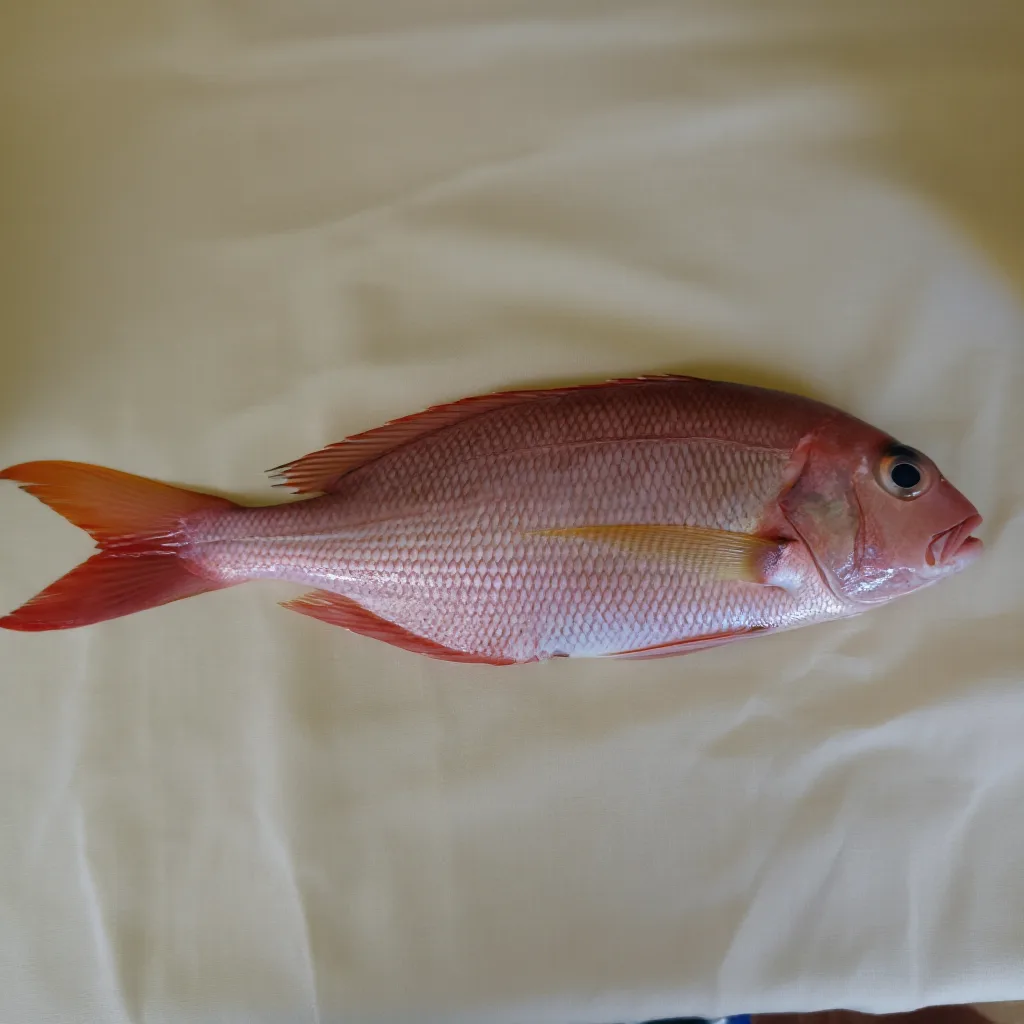
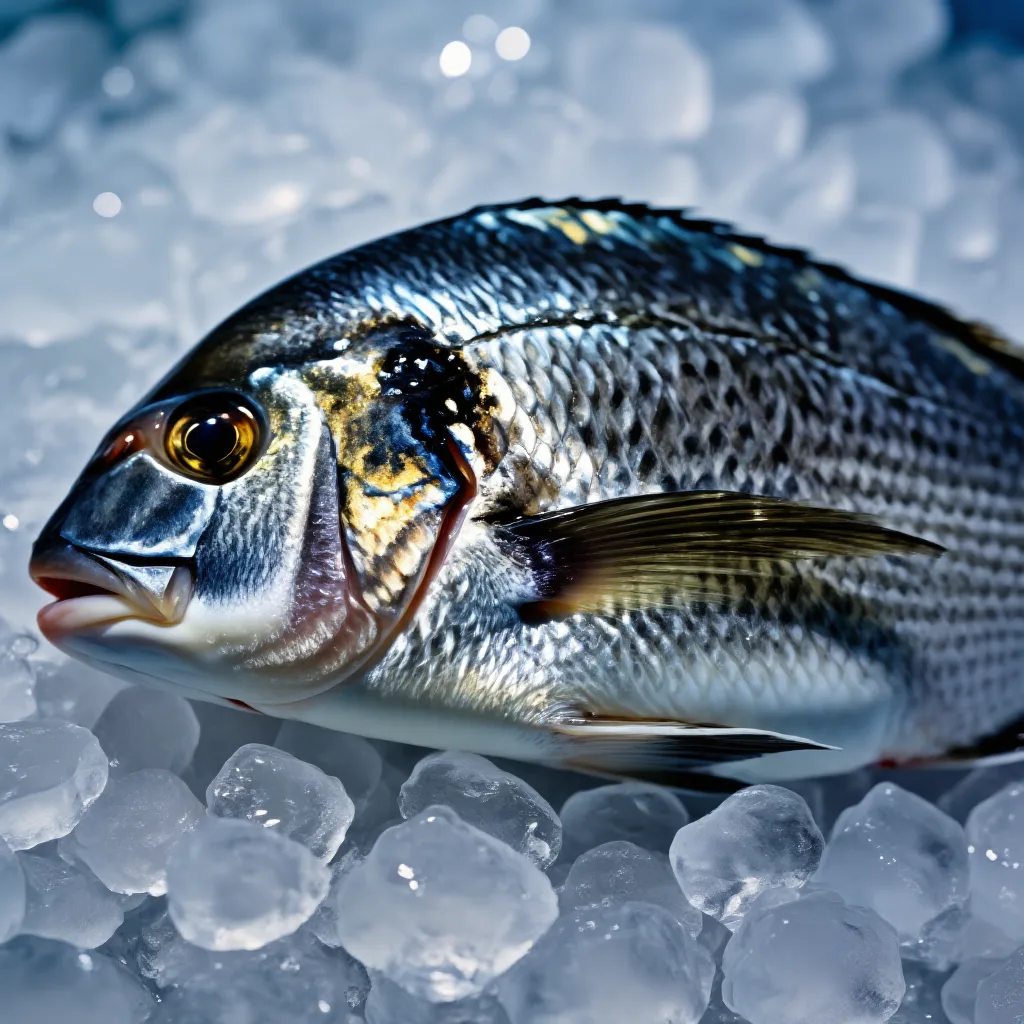
Sea bream have a deep, oval body and a distinctive golden band running between the eyes, which gives the species both its Spanish name (dorada, "golden") and its scientific one (aurata). The body is silvery-grey with faint gold flecks along the flanks, and a characteristic dark shoulder spot sits above the gill.
Nutrition
Sea bream is a moderately lean fish, offering high-quality protein along with a modest amount of healthy fat. Farmed dorada, now widely available, tends to have a slightly higher fat content than wild fish, both of which are common and affordable sources of white fish protein in Spain.
Similar species
It is often compared to sea bass (lubina), another popular whole fish on Spanish menus; sea bream has a sweeter, slightly firmer flesh and a rounder body shape, while sea bass is leaner and more elongated. Both take well to similar simple cooking methods.
Related dishes
Dorada a la sal — sea bream baked whole encased in a thick crust of coarse salt, which is cracked open at the table — is a classic preparation that keeps the flesh moist without making the fish itself salty. It is equally well suited to simple grilling or oven-roasting with olive oil, garlic and lemon.
Good to know
Gilt-head sea bream are protogynous hermaphrodites, typically beginning life as males and later transitioning to female, a trait shared by several other Mediterranean fish species.