A different idea of service
Traditional restaurants tend to run on a looser, more conversational style of service than international or fine dining venues. Waiters often recommend dishes verbally rather than relying solely on a printed menu, and questions about the day's catch are generally welcomed rather than seen as a formality.
Meals in this category are rarely rushed. It is common for a lunch to stretch well past an hour, particularly on weekends, as part of the expected rhythm rather than a delay.
What to expect on the table
Shared plates are a defining feature — a table will often order several seafood dishes to pass around rather than one main course each. This makes traditional restaurants well suited to groups and to sampling a wider range of the kitchen's repertoire in one sitting.
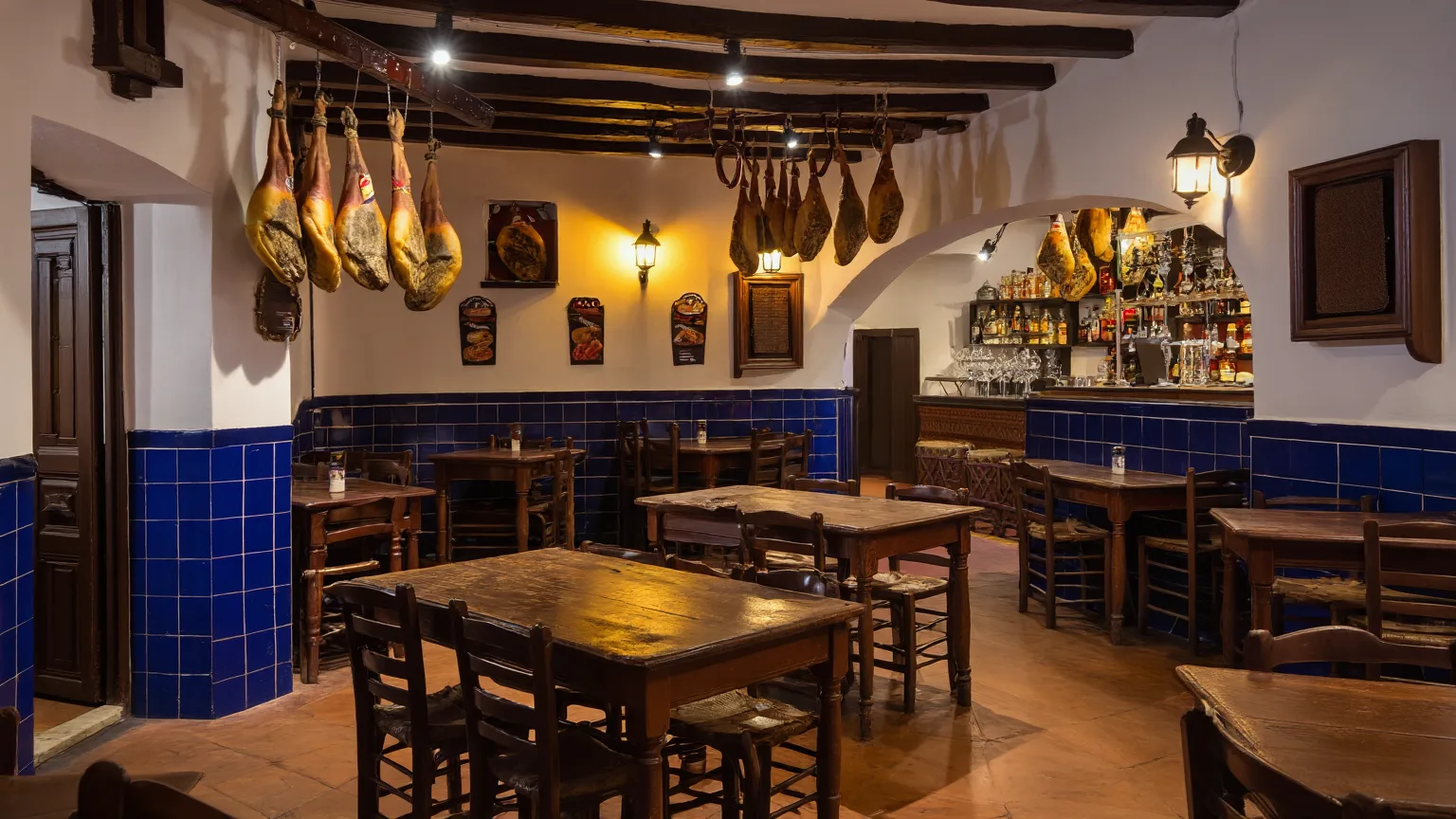
Setting tends to favour function over decoration: paper tablecloths, simple furniture, walls covered with decades of local photographs. The atmosphere is part of the tradition, not an oversight.
How to approach a visit
Going with a willingness to order a spread of smaller dishes, rather than a single main course, generally gives a better sense of what a traditional kitchen does well. Asking staff what came in that day is a reliable way to find the freshest options.
Many traditional restaurants keep informal hours that can vary by season or even by day, so it is worth confirming opening times directly rather than assuming they match posted information.
This guide is editorially independent. No restaurant pays for placement or coverage here, and details such as hours, pricing and status should always be confirmed directly, since they can change.