A Coastline That Shapes the Kitchen
Marbella sits on a stretch of Andalusian coast where the sea has always been a working resource, not a backdrop. Fishing families built the town's early economy long before tourism arrived, and that history still shows in how seafood is treated in local kitchens: simply, respectfully, with an emphasis on freshness over elaboration.
The proximity of the Alboran Sea, with its mix of colder Atlantic-influenced currents and warmer Mediterranean waters, gives the region access to a wide range of species. This variety is part of why seafood dishes here rarely rely on heavy sauces or complex techniques — the ingredient itself is usually the point.
Espeto and the Art of Simplicity
The most recognisable expression of Marbella's seafood culture is espeto, sardines or other small fish skewered on cane sticks and grilled over an open wood fire, traditionally set directly in the sand near the shoreline. It is associated with the Malaga coast broadly, Marbella included, and reflects a wider Andalusian preference for direct, fire-based cooking over refinement.
Espeto is less a dish than a method, and that method has barely changed. The appeal lies in its restraint: good fish, salt, smoke and time, nothing more. It is often eaten standing at a beachside chiringuito, which says something about how unceremonious seafood culture here can be, even when the result is excellent.
From Port to Plate
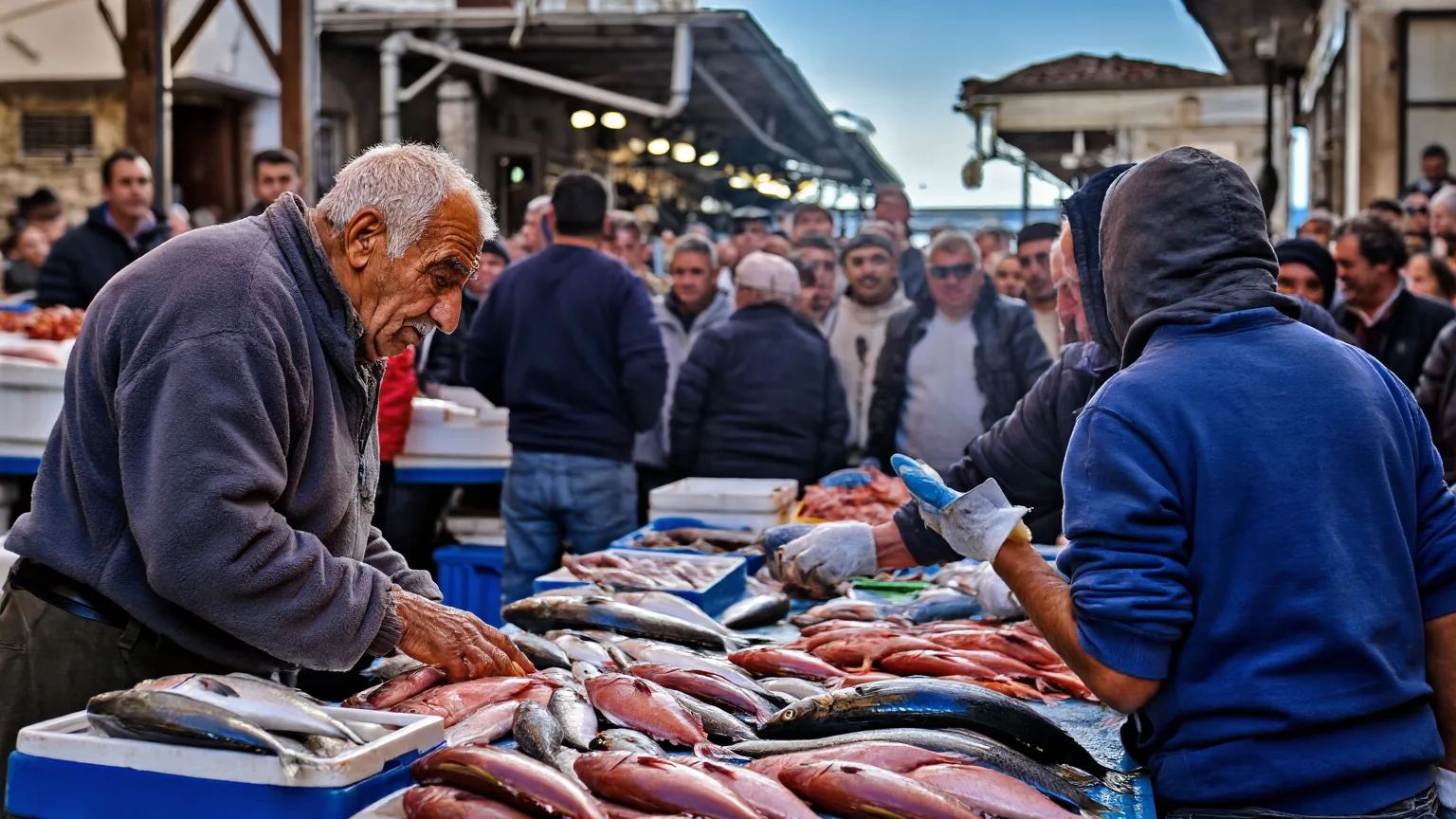
What distinguishes Marbella's seafood culture from a purely touristic one is the short distance, literal and otherwise, between the fishing port and the kitchen. Many restaurants along the coast still build their daily offering around what came in that morning rather than a fixed printed menu.
This rhythm, dictated by the sea rather than a supply chain, is part of what gives Marbella's seafood scene its identity. It rewards visitors who ask what is fresh that day rather than what is famous, and it is the thread that connects the town's working past to its dining present.