A Different Pace Behind the Seafront
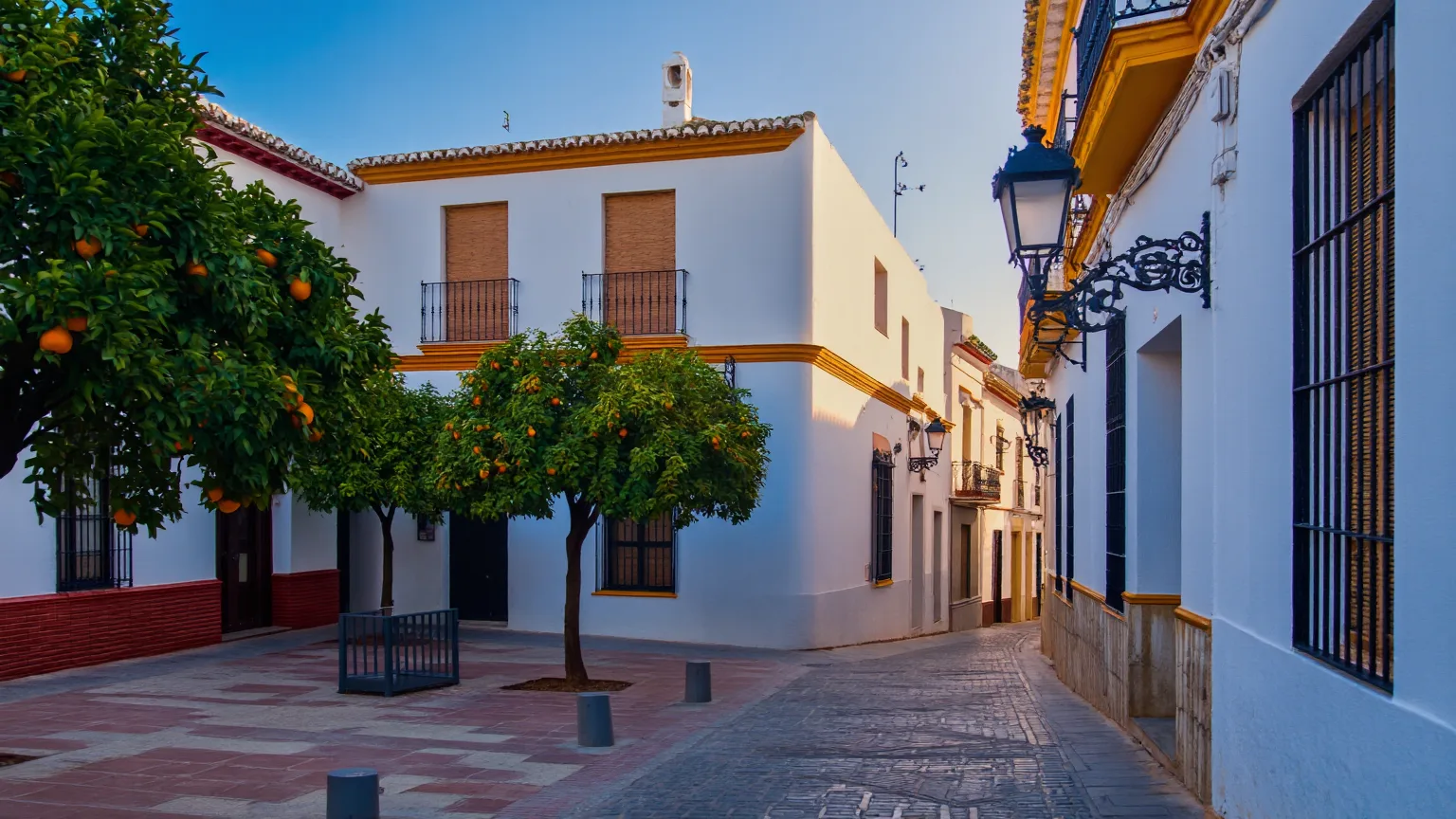
Marbella's Old Town, centred loosely around its historic core, is built from narrow whitewashed streets, small squares and low-rise buildings typical of Andalusian towns shaped by centuries of Moorish and Christian influence. It stands in deliberate contrast to the newer, glossier development along the coastline.
Walking through it slows visitors down. Streets are narrow enough to encourage wandering rather than route-planning, and the scale of the buildings keeps the atmosphere intimate rather than monumental.
Layers of History
Like much of coastal Andalusia, Marbella's historic centre carries visible traces of different periods of occupation and governance, reflected in its street layout and architectural details. This layered history is part of what gives the Old Town its texture, even without needing specific dates or names attached to every corner.
Small squares shaded by orange trees, wrought-iron balconies and modest church buildings are common features, offering a quieter counterpoint to the marina culture found elsewhere in town.
Where the Old Town Meets the Sea
Though set back from the water, the Old Town has always been functionally connected to Marbella's coastal life. Its markets and small eateries historically depended on the same fishing economy that supplied the port, and that link persists today in the seafood-focused menus found throughout the area.
For visitors interested in seafood culture specifically, the Old Town offers useful context: it shows the domestic, everyday side of a town whose coastline is more often associated with leisure than with the working history that shaped it.