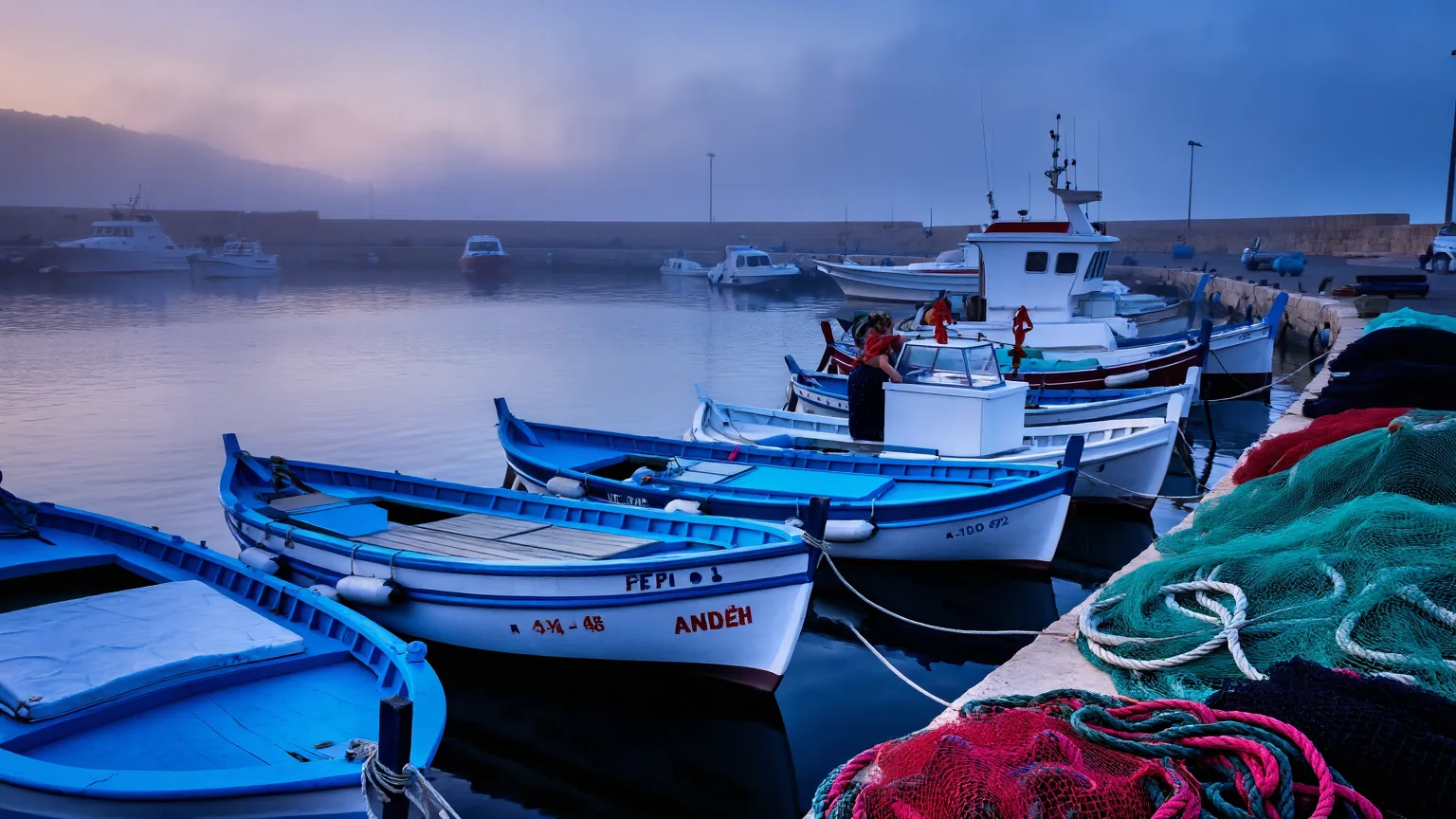
The Original Fishing Port
Marbella's fishing port predates the town's development as a resort destination and remains active today, with boats still bringing in daily catches that supply local markets and kitchens. It is a more modest, functional space than the marinas further along the coast, built for work rather than display.
Visiting the port offers a different perspective on Marbella than the one usually presented to tourists: nets, crates and the practical rhythm of a working harbour rather than yachts and promenades.
Ports as Community Anchors
In many Andalusian coastal towns, the fishing port has historically functioned as more than an economic hub, it has been a gathering point, a source of local identity, and a place where the daily rhythm of the sea is most visible. Marbella's port fits this pattern, even as the surrounding town has grown around it.
The people who work the boats and unload the catch each morning represent a continuity with the town's pre-tourism history that is easy to miss amid the more visible parts of Marbella's coastline.
Two Kinds of Harbour
Marbella today effectively has two distinct types of port culture: the working fishing harbour, oriented around supply and tradition, and the leisure marinas, oriented around tourism and display. Both are part of the town's coastal identity, but they tell different stories.
Recognising this distinction helps visitors understand that Marbella's relationship with the sea is not one-dimensional. It is at once a resort coastline and a working one, and both aspects continue to shape how seafood reaches the table here.